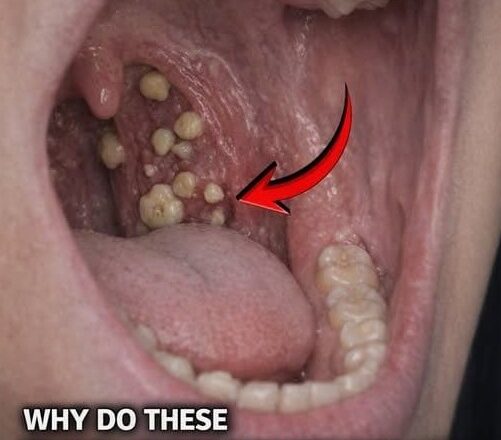
Bad breath is usually linked to inadequate oral care, yet some people continue to struggle with it even when they brush and floss regularly. In these cases, the problem may originate beyond the teeth and gums, deeper in the throat. A frequently overlooked cause is the formation of tonsil stones, medically referred to as tonsilloliths.
Tonsil stones develop within the tiny crevices of the tonsils known as crypts. These spaces can collect food debris, dead cells, mucus, and bacteria. As time passes, minerals in saliva harden this mixture into small, stone-like deposits. Many individuals have them without ever noticing.
The unpleasant smell associated with tonsil stones is produced by bacteria that release sulfur compounds—the same substances responsible for chronic halitosis. Because these deposits sit far back in the throat, regular mouthwash often fails to reach and eliminate the source.
Common signs include ongoing bad breath, an unpleasant taste, mild throat discomfort, or visible white spots on the tonsils. Although generally not dangerous, they can be irritating and socially distressing.
Staying well hydrated, gargling with salt water, practicing gentle oral hygiene, and treating post-nasal drip can reduce their formation. If the problem becomes frequent or painful, it is wise to seek advice from a healthcare professional.