Mastering the Craft of Car Restoration: Turning Rust into Showroom Glory
The Magic of Bringing a Classic Back to Life
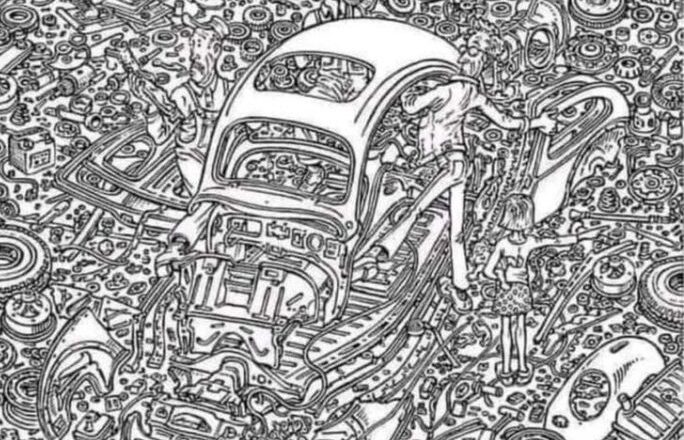
There’s something uniquely exciting about stepping into a garage filled with scattered engine parts, dusty body panels, and countless bolts—only to emerge months later with a beautifully restored classic car shining like it just left the showroom.
Car restoration is where engineering meets art. It’s the process of transforming forgotten vehicles into masterpieces on wheels. Whether you’re reviving a treasured family car or restoring a vintage model you’ve always admired, the journey from worn-out parts to a flawless machine demands patience, skill, and passion. In return, it offers one of the most rewarding experiences any car enthusiast can have.
Why Car Restoration Fascinates Enthusiasts
Restoring a car is far more than simply fixing mechanical problems. It combines history, craftsmanship, and creativity in a way few hobbies can match.
Preserving Automotive History
Every classic car carries a story. Restoration helps preserve the design, engineering, and character of an earlier automotive era.
Developing Practical Skills
From welding metal panels to rebuilding engines and tuning carburetors, restoration teaches valuable hands-on skills that extend beyond the garage.
A Powerful Creative Outlet
Choosing paint colors, restoring interiors, and perfecting small details allows every restorer to leave a personal signature on the finished vehicle.
Joining a Passionate Community
Car enthusiasts around the world connect through clubs, events, swap meets, and online forums where they share advice, rare parts, and unforgettable experiences.
When the final bolt is tightened and the engine roars to life, you’re not just driving a car—you’re celebrating months or even years of dedication.
The Key Stages of a Successful Restoration
Restoring a car is a complex project that becomes manageable when broken down into clear stages.
Inspection and Complete Disassembly
Every project begins with a careful inspection.
First, the vehicle must be thoroughly documented. Photos, notes, and condition reports help track every part and reveal hidden issues like rust, corrosion, or missing components.
Small parts such as bolts, clips, and brackets should be carefully labeled and stored to avoid confusion during reassembly.
Next comes stripping the vehicle down to its bare structure. Removing old paint, rust, and damaged materials exposes the metal underneath and allows restorers to see exactly what needs repair.
This stage often reveals structural problems that help determine the project’s budget and timeline.
Bodywork and Metal Restoration
Repairing the body requires patience and attention to detail.
Rusty sections must be cut away and replaced with carefully welded patch panels. Even minor dents are corrected using specialized tools, while larger damage requires traditional metalworking techniques.
Panels like doors, hoods, and fenders must be aligned precisely so that the gaps between them are uniform and visually perfect.
Finally, the body is sanded repeatedly and coated with primer until the surface becomes perfectly smooth—ready for paint.
Rebuilding the Engine and Drivetrain
The mechanical heart of the car demands just as much care.
The engine is completely disassembled and inspected. Critical measurements are taken to check for wear in the cylinders, pistons, crankshaft, and camshaft.
Many parts are then sent to professional machine shops where components are resurfaced, balanced, or restored to factory specifications.
During reassembly, every bolt must be tightened with exact torque settings, and new gaskets and seals are installed to guarantee reliability.
The transmission, driveshaft, and differential are also serviced so the restored engine can deliver power smoothly and efficiently.
Suspension, Brakes, and Steering
A classic car must drive as beautifully as it looks.
Old suspension bushings, ball joints, and steering components are replaced to restore stability and responsiveness.
New shocks or coil-over systems improve ride comfort and control.
The braking system is fully rebuilt with new rotors, pads, and fluid lines to ensure safe stopping power.
Finally, a precise wheel alignment ensures the vehicle drives straight and handles confidently on the road.
Paint, Trim, and Interior Restoration
This stage brings the entire vision to life.
The body receives its final paint—either an original factory color or a custom finish. Modern paint systems provide exceptional depth, shine, and durability.
Exterior trim pieces such as chrome bumpers, emblems, and stainless moldings are polished or re-plated until they shine like new.
Inside the cabin, upholstery, carpeting, and dashboard details are carefully restored using materials that replicate the car’s original appearance.
These finishing touches transform the vehicle from a mechanical project into a true automotive masterpiece.
Smart Project Management for Restoration Success
Car restoration projects can take months—or even years—so proper planning is essential.
Plan Your Budget Carefully
Unexpected repairs are almost guaranteed, so always reserve extra funds for surprises.
Create Realistic Timelines
Breaking the project into milestones helps maintain motivation and track progress.
Find Reliable Parts Sources
Online communities, specialized suppliers, and salvage yards are invaluable resources for rare components.
Document Everything
Photos, receipts, and notes create a complete history of the restoration and increase the vehicle’s future value.
Connect with Other Restorers
Experienced enthusiasts can provide guidance, support, and valuable insights when challenges arise.
The Reward: A Legacy on Wheels
Car restoration is more than rebuilding a machine—it’s about preserving history, developing skills, and creating something extraordinary with your own hands.
What begins as a collection of worn-out parts slowly transforms into a stunning vehicle ready to turn heads wherever it goes.
And when you finally sit behind the wheel of that fully restored classic, every late night in the garage, every stubborn bolt, and every careful detail becomes part of a story you’ll carry for a lifetime.
Because in the world of restoration, every nut and bolt is more than a component—it’s a step toward creating a legacy on wheels.