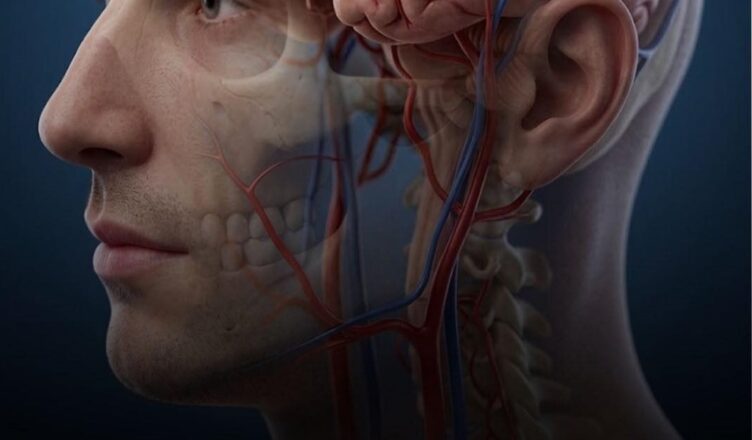
Aneurysm: Myths vs Facts — What Most People Get Wrong
An aneurysm doesn’t always announce itself.
It grows quietly… unnoticed… until one moment changes everything.
That silence is exactly why so many dangerous myths exist.
Let’s break them—clearly, honestly, and backed by science.
Myth #1: “Only older adults get aneurysms.”
Fact: Aneurysms can happen at any age.
Why?
Aging does weaken blood vessels—but it’s not the only cause.
Genetics, connective tissue disorders (like Ehlers–Danlos), and congenital weaknesses can all play a role.
Add smoking, high blood pressure, or chronic stress—and the risk increases, even in younger people.
Myth #2: “No symptoms means no danger.”
Fact: Many aneurysms are silent—until they become life-threatening.
What’s really happening?
Even without symptoms, the vessel wall is already weakened.
Blood pressure constantly pushes against that fragile area.
Over time, the wall can thin… stretch… and eventually rupture.
And when it ruptures—
it becomes a medical emergency within seconds.
Myth #3: “It’s just a headache.”
Fact: Some headaches are warnings your body is screaming.
A ruptured brain aneurysm is often described as:
“The worst headache of my life.”
This isn’t a normal headache.
It’s caused by bleeding that irritates the brain’s protective layers.
It may come with:
- Nausea
- Neck stiffness
- Light sensitivity
- Confusion or fainting
This is not something to “wait out.”
It requires immediate emergency care.
Myth #4: “If I’m healthy, I’m safe.”
Fact: You can look perfectly healthy—and still be at risk.
Aneurysms can develop silently due to:
- Microscopic damage in vessel walls
- Chronic inflammation
- Undiagnosed hypertension
- Family history
You don’t have to “look sick” for something serious to be happening.
Myth #5: “All aneurysms will rupture.”
Fact: Not all do—but some are high-risk.
Risk depends on:
- Size
- Location
- Growth rate
- Structural weakness
Doctors monitor some aneurysms carefully.
Others require preventive treatment—like surgical clipping or coiling.
What Actually Happens in an Aneurysm?
At its core, an aneurysm forms when a weakened part of a blood vessel begins to bulge under pressure.
This involves:
- Breakdown of structural proteins (collagen & elastin)
- Chronic inflammation
- Abnormal blood flow stressing specific نقاط of the vessel
Over time, that weakened wall can rupture—causing severe internal bleeding.
Why Awareness Matters
Aneurysms are dangerous not just because they rupture—
but because they often stay hidden until it’s too late.
Knowing the signs can save a life. Maybe yours. Maybe someone else’s.
Warning Signs You Should Never Ignore
Possible early signs (before rupture):
- Pain behind or above one eye
- Dilated pupil
- Blurred or double vision
- Drooping eyelid
- Numbness or weakness on one side of the face
These symptoms happen when the aneurysm presses on nearby nerves.
Emergency signs of rupture:
- Sudden, severe headache (“worst ever”)
- Nausea and vomiting
- Stiff neck
- Sensitivity to light
- Confusion or loss of consciousness
- Seizures
🚨 This is a medical emergency. Call emergency services immediately.
Final Thought
An aneurysm doesn’t always give you time to react.
But sometimes… it gives you just enough warning.
Knowing the difference between “nothing”
and “something serious”
can mean everything.