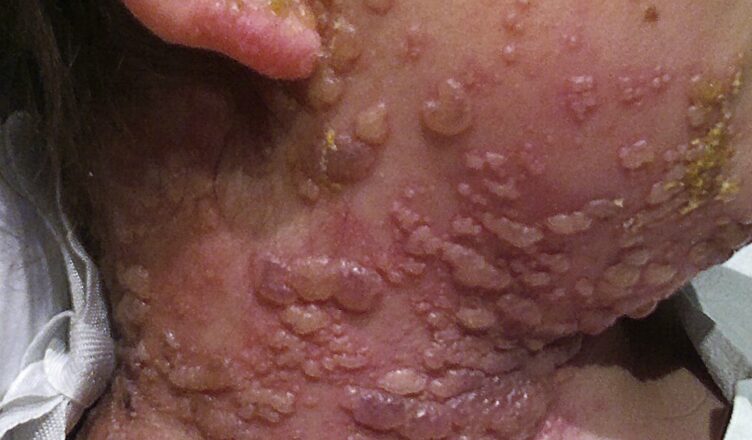
Shingles, also called herpes zoster, is a condition that often causes confusion and concern when it appears. Many people are unaware of its origin, its true causes, and why it can develop even in individuals who appear to live healthy lives. Although it is not always openly discussed, shingles is relatively common—especially after a certain age—and understanding it is essential for early action and preventing complications.
Shingles is not a new or mysterious illness.
It is directly linked to the varicella-zoster virus, the same virus responsible for chickenpox during childhood. What many people do not realize is that once chickenpox resolves, the virus does not completely leave the body. Instead, it remains dormant for years—sometimes even decades—within the nervous system without causing symptoms. Under certain conditions, it can reactivate and lead to shingles.
Reactivation typically happens when the immune system is weakened.
Natural aging, prolonged stress, chronic diseases, immune-suppressing medical treatments, or periods of intense physical or emotional strain can create the conditions that allow the virus to become active again. Although shingles is more common in adults over 50, it can also affect younger individuals.
One notable feature of shingles is that it rarely appears without warning.
Early symptoms are often vague and may be mistaken for other health issues. Localized pain, burning sensations, tingling, or unusual skin sensitivity in a specific area are usually the first signs. These symptoms may begin several days before a visible rash develops, which can make early diagnosis challenging if they are overlooked.
As the condition progresses, a rash typically forms on one side of the body. This pattern is not accidental: the virus reactivates along a specific nerve, which explains why the lesions follow a defined path rather than spreading randomly. While the rash itself can look alarming, specialists note that the associated nerve pain is often the most severe and persistent symptom.
In most cases, shingles resolves well with proper medical treatment.
Antiviral medications, especially when started within the first 72 hours after symptoms begin, can shorten the illness and reduce the likelihood of complications. However, delayed treatment may increase the risk of postherpetic neuralgia—a long-lasting nerve pain that can persist for months or even years after the rash fades.
This chronic pain can significantly impact quality of life and emotional well-being.
People who experience it often describe a constant burning or stabbing sensation that interferes with sleep and daily activities. For this reason, healthcare professionals strongly advise not ignoring early symptoms and seeking medical attention promptly if shingles is suspected.
Another common question is whether shingles is contagious.
The answer is partially yes. A person with shingles does not directly transmit shingles itself. However, they can spread the varicella-zoster virus to someone who has never had chickenpox or has not been vaccinated. In such cases, the exposed person may develop chickenpox—not shingles. Therefore, during the active phase, close contact with pregnant women, newborns, and individuals with weakened immune systems should be avoided.
In recent years, prevention has become increasingly important.
Vaccines are available that significantly reduce the risk of developing shingles and can lessen the severity if it does occur. Health authorities recommend vaccination primarily for older adults and those with risk factors, as it has proven to be an effective preventive measure.
Beyond medication and vaccination, shingles highlights an important lesson: health is not defined solely by the absence of visible illness.
A strong immune system, stress management, and attention to early warning signs all play crucial roles. The body often signals that something is wrong before obvious symptoms appear.
In summary, shingles is a well-known yet often underestimated condition. Understanding its origin, recognizing its early signs, and responding quickly can greatly influence its outcome. Being informed promotes prevention—not fear—and in this case, awareness can help avoid prolonged pain and unnecessary complications.